Cleaning your home can feel much easier when you focus on simple tasks that make a noticeable difference without requiring hours of work.
These easy cleaning hacks are designed for everyday messes, quick touch-ups, and common household chores that can be handled with minimal effort.
From clearing clutter and freshening rooms to cleaning kitchens, bathrooms, floors, and frequently used surfaces, these practical ideas can help you keep your home looking cleaner with less time and stress.
1. Start With a Quick Declutter
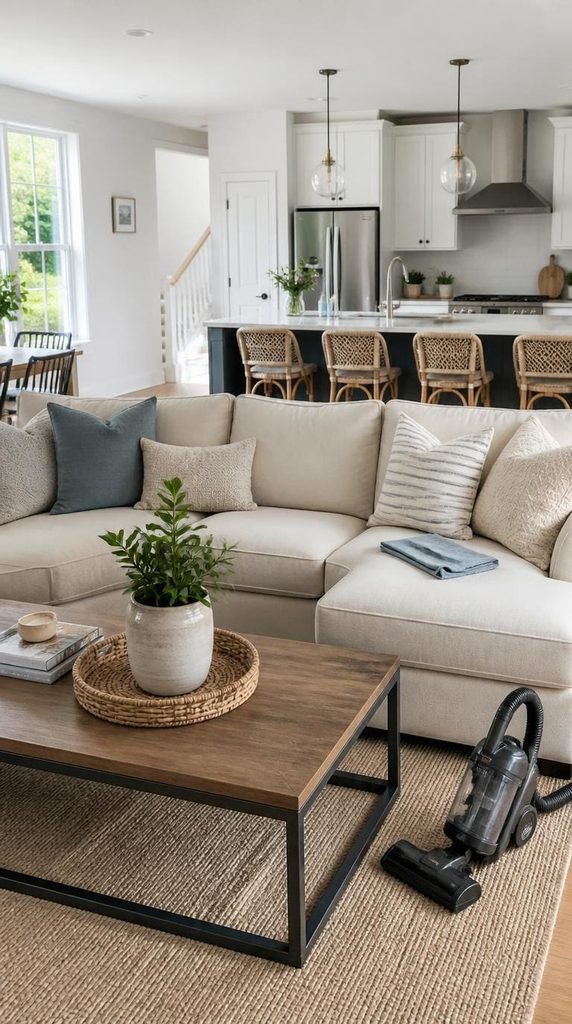
Before you start cleaning, remove items that are out of place.
Grab a basket or container and collect:
- Toys
- Clothes
- Papers
- Dishes
- Shoes
- Books
- Random household items
Return everything to its proper location before moving on to surfaces and floors.
This simple step can make a room look significantly tidier almost immediately.
2. Make Your Bed First
Making the bed takes only a few minutes but can instantly make a bedroom look more organized.
Straighten the sheets, arrange the pillows, and fold blankets neatly.
Once the largest surface in the room looks tidy, the rest of the bedroom often feels easier to tackle.
3. Keep a Microfiber Cloth Nearby
A clean microfiber cloth makes quick surface cleaning much easier.
Keep a few available in convenient places so you can quickly wipe:
- Tables
- Shelves
- Counters
- Appliances
- Window sills
- Bathroom surfaces
Wash reusable cloths appropriately and keep clean ones separate from heavily soiled ones.
4. Clean as You Go in the Kitchen
Instead of allowing dishes and spills to pile up, handle small messes while preparing meals.
You can:
- Put ingredients away after using them
- Wipe counters
- Rinse dishes
- Clean small spills
- Load the dishwasher
- Wipe appliance handles
These small actions can make the end-of-day kitchen cleanup much shorter.
5. Let Cleaning Products Sit
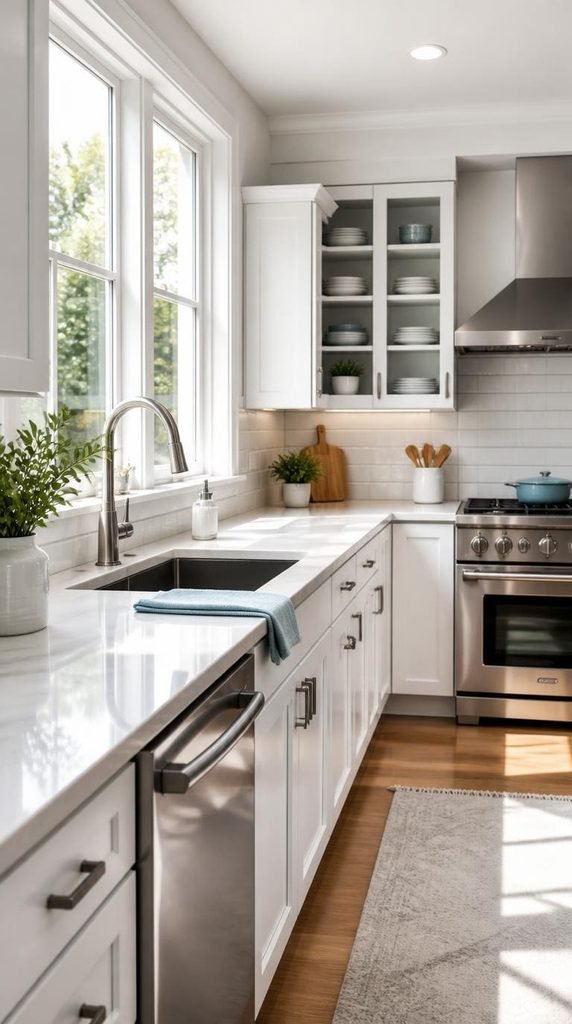
When using an appropriate cleaning product, follow its label instructions and allow the recommended contact time before wiping or scrubbing.
This can help loosen dirt, grease, or residue and may reduce the amount of effort needed.
Never mix different cleaning products unless the manufacturer specifically states that it is safe.
6. Use a Small Brush for Tight Spots
A small cleaning brush can reach places that a cloth cannot.
Try one around:
- Faucet edges
- Grout lines
- Appliance seams
- Window tracks
- Handles
- Corners
- Small crevices
Choose a brush that is suitable for the surface to avoid scratches.
7. Work From Top to Bottom
Dust and debris naturally fall downward.
Start with higher surfaces such as shelves, cabinets, and furniture before finishing with floors.
A simple order is:
- Higher surfaces
- Tables and counters
- Furniture
- Lower surfaces
- Floors
This helps prevent you from creating extra work.
8. Use a Cleaning Caddy
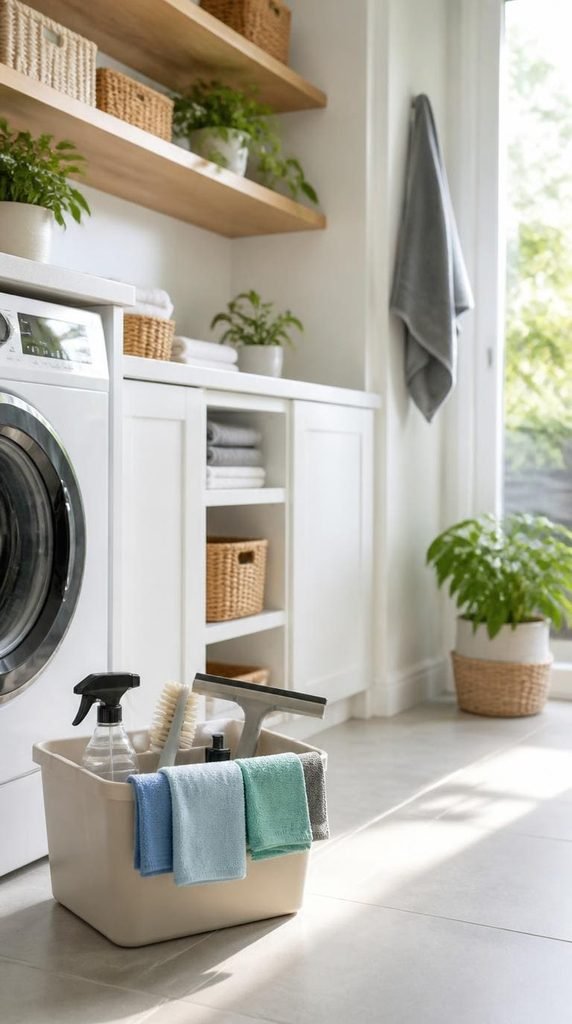
A small cleaning caddy can save time by keeping frequently used supplies together.
You might include:
- Microfiber cloths
- Sponges
- Scrub brushes
- Appropriate surface cleaner
- Glass cleaner
- Gloves
Carry the caddy from room to room instead of making repeated trips to your cleaning cupboard.
9. Clean Spills Right Away
Fresh spills are often easier to remove than dried-on messes.
When something spills, deal with it as soon as practical using a method suitable for the surface.
Blot liquids rather than spreading them around, and check the care instructions for fabrics, wood, stone, and other delicate materials.
10. Empty Small Trash Bins Regularly
Small trash cans can fill quickly and contribute to unpleasant odors.
Empty them before they become overflowing, wipe the inside when necessary, and replace the liner.
This is especially useful in bathrooms, bedrooms, home offices, and other frequently used spaces.
11. Give Your Bathroom Sink a Quick Wipe
A quick wipe around the sink can make a bathroom look cleaner without requiring a full cleaning session.
Remove toothpaste residue, water spots, hair, and other visible debris.
Do not forget the faucet and surrounding countertop.
For a more detailed routine, see Bathroom Cleaning Checklist Template.
12. Keep Shower Glass Dry
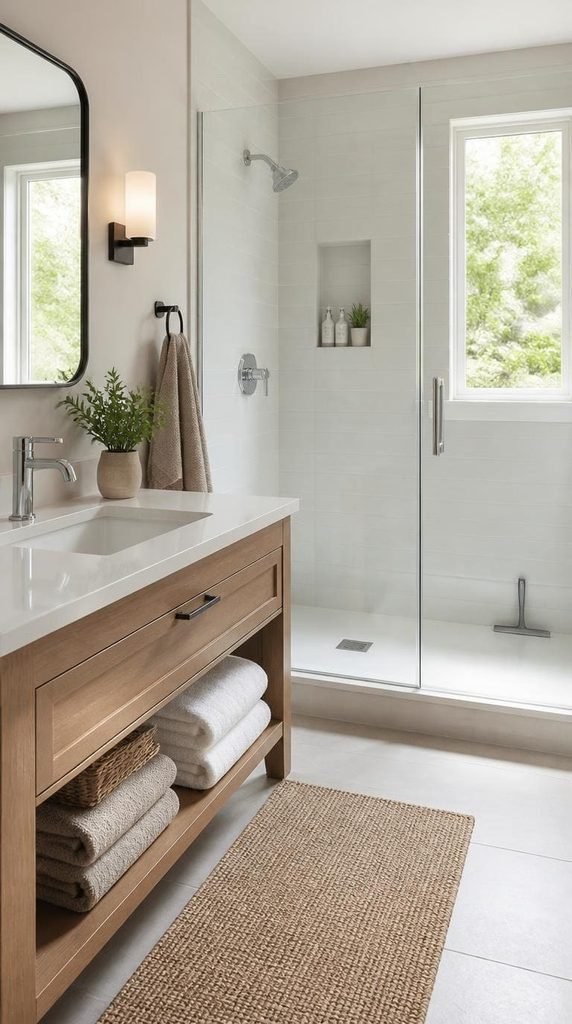
After showering, remove excess water from suitable glass surfaces with a squeegee.
This quick habit can help reduce water spots and residue that may otherwise build up over time.
Store the squeegee somewhere convenient so using it does not feel like another chore.
13. Use a Basket for Clutter
When several items are out of place, putting them away one by one can interrupt your cleaning flow.
Instead, collect misplaced items in a basket and return everything to its proper room afterward.
This works especially well in living rooms and bedrooms.
14. Vacuum High-Traffic Areas First
If you have limited time, prioritize the floors that receive the most use.
Focus on:
- Entryways
- Hallways
- Kitchen floors
- Living room walkways
- Areas around seating
Cleaning these areas can make your home feel fresher without requiring a complete floor-cleaning session.
15. Shake Out Small Rugs
Small washable rugs can collect dust, hair, crumbs, and dirt.
Follow their care instructions and shake, vacuum, or wash them as appropriate.
Allow washable rugs to dry completely before returning them to the floor.
16. Keep Shoes Organized
Shoes near entrances can quickly make a home look cluttered.
Use a shoe rack, basket, cabinet, or another suitable storage solution to keep footwear organized.
Regularly sweep or vacuum the entryway to remove dirt brought in from outside.
17. Wipe Frequently Touched Surfaces
You do not need to clean every surface in your home every day.
Prioritize areas that receive frequent contact, such as:
- Door handles
- Light switches
- Cabinet handles
- Faucet handles
- Appliance handles
- Remote controls
Use a suitable cleaner for each surface and avoid excessive moisture around electrical components.
18. Clean One Small Area at a Time
If the whole house feels overwhelming, choose one small area.
For example:
- One countertop
- One bathroom sink
- One bedside table
- One kitchen cabinet
- One section of flooring
Finishing a small area gives you visible progress without requiring a large block of time.
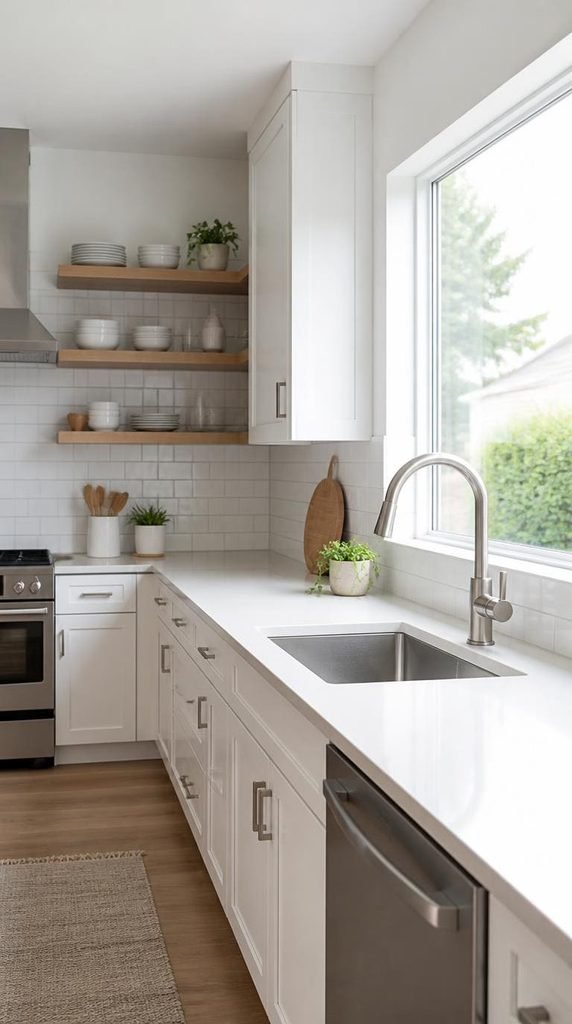
19. Keep Your Sink Clear
A clear kitchen or bathroom sink can make the surrounding space look noticeably tidier.
In the kitchen, wash or load dishes rather than allowing them to accumulate. In the bathroom, put toiletries away and wipe the basin after use.
A clear sink also makes the next cleaning task easier.
20. Clean While Waiting
Short waiting periods can be useful opportunities for small cleaning tasks.
While waiting for water to boil, laundry to finish, or another household task to complete, you can:
- Wipe a counter
- Put away clutter
- Sweep a small area
- Clean an appliance handle
- Empty a small trash bin
These tiny jobs can add up throughout the day.
21. Give Your Floors a Quick Daily Check
You do not necessarily need to thoroughly clean every floor every day.
Instead, check for visible crumbs, dirt, pet hair, or spills and deal with those areas as needed.
Save more thorough vacuuming and mopping for your regular cleaning routine.
For a structured approach, see Daily Cleaning Schedule for Keeping Your Home Fresh and Tidy.
22. Keep Cleaning Supplies Organized
When supplies are easy to find, cleaning becomes less of a hassle.
Group similar items together and return products to the same storage location after use.
Keep all cleaning products safely away from children and pets and follow their labels.
23. Clean Your Cleaning Tools
Dirty tools can make cleaning less effective.
Regularly wash reusable cloths, clean mop heads, empty vacuum containers, and maintain brushes according to their care instructions.
Allow washable items to dry completely before storing them.
24. Do a 10-Minute Evening Reset
A short evening reset can help prevent tomorrow’s mess from becoming larger.
Spend a few minutes:
- Putting away clutter
- Washing dishes
- Wiping kitchen counters
- Straightening the living room
- Returning items to their places
- Emptying small trash bins if needed
You do not need to finish every chore. The goal is simply to leave the main living areas reasonably tidy.

25. Follow a Simple Weekly Routine
Easy cleaning hacks work best when combined with a basic routine.
For example:
| Day | Simple Focus |
| Monday | Kitchen |
| Tuesday | Bathrooms |
| Wednesday | Bedrooms |
| Thursday | Living areas |
| Friday | Floors and dusting |
| Saturday | Laundry and organization |
| Sunday | Light reset |
For a more detailed version, see Weekly Cleaning Schedule.
26. Deal With Clutter Before Deep Cleaning
If surfaces and floors are covered with belongings, cleaning takes longer.
Put things away first, then dust and wipe surfaces. This simple order allows you to clean more efficiently.
For more extensive projects, Deep Cleaning Checklist By Room can help organize larger tasks.
27. Focus on the Most Visible Areas
When you are short on time, prioritize spaces that have the biggest visual impact.
Clear the kitchen counters, straighten the living room, clean the bathroom sink, and tidy the entryway.
These quick improvements can make your home feel much fresher without cleaning every corner.
28. Keep Laundry Moving
Laundry can quickly become another source of clutter.
Try to avoid letting clean clothes sit unfolded for several days. Fold or hang them as soon as practical and return them to their proper places.
Keeping laundry contained makes bedrooms and laundry areas easier to manage.
29. Finish With the Floors
Once dusting, wiping, and decluttering are complete, finish with the floors.
Vacuum or sweep loose debris first, then mop surfaces when appropriate for the flooring material.
This leaves the room looking freshly finished without having to clean the floor again after other tasks.
30. Stop Before Cleaning Becomes Overwhelming
You do not have to finish the entire house in one session.
If you have completed the most important tasks and your available time is gone, stop and continue another day.
A manageable routine that you can repeat is more useful than an exhausting cleaning session that is difficult to maintain.
Easy Cleaning Hacks at a Glance
| Cleaning Task | Easy Hack |
| Clutter | Use a basket for misplaced items |
| Dusting | Work from top to bottom |
| Kitchen | Clean small messes as they happen |
| Bathroom | Keep shower glass dry |
| Floors | Prioritize high-traffic areas |
| Supplies | Use a portable cleaning caddy |
| Tight spaces | Use a small brush |
| Surfaces | Keep a microfiber cloth nearby |
| Trash | Empty small bins regularly |
| Evening | Do a 10-minute reset |
| Busy days | Clean one small area |
| Weekly care | Assign a simple focus to each day |
How to Make Cleaning Feel Easier
The best easy cleaning hacks are the ones that fit naturally into your day. You do not need complicated systems or long cleaning sessions to make progress. A few small habits, such as dealing with spills promptly, putting things away, keeping supplies organized, and focusing on high-use areas, can make routine cleaning much more manageable.
For a complete daily routine, see Daily Cleaning Schedule for Keeping Your Home Fresh and Tidy, or use Home Cleaning Schedule for a Fresh and Organized Home to combine daily, weekly, and monthly tasks.
When cleaning is broken into smaller, realistic jobs, keeping your home fresh and tidy becomes much easier to maintain.