Keeping your home clean does not always have to mean spending hours on household chores.
These cleaning hacks tips and tricks can help make everyday tasks quicker, easier, and more manageable, from dealing with kitchen messes to freshening bathrooms, removing dust, and keeping clutter under control.
The key is knowing which small habits and simple techniques can make routine chores more efficient.
1. Clean From Top to Bottom
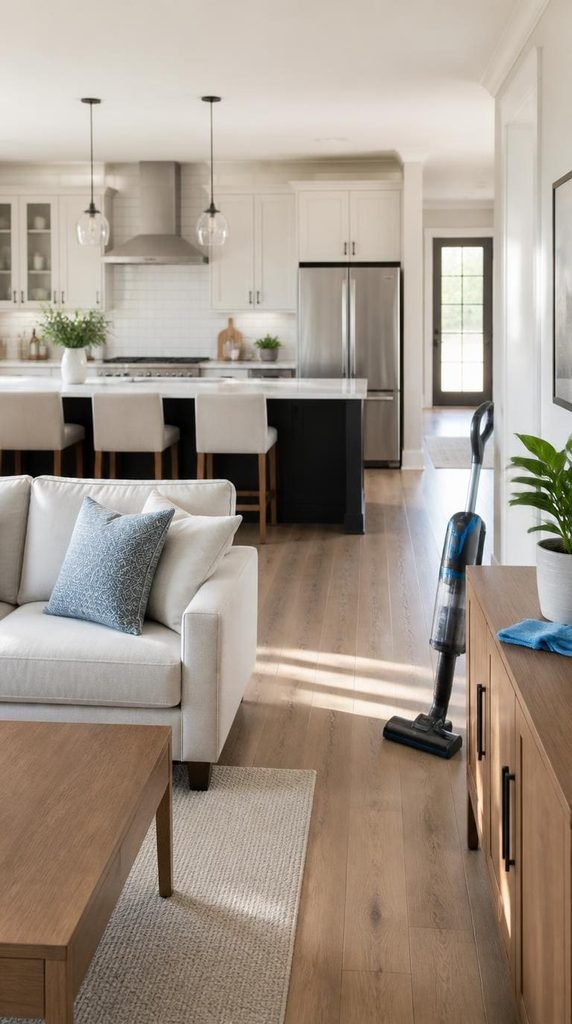
One of the simplest cleaning tricks is to work from higher surfaces toward the floor.
Dust and debris naturally fall downward, so start with:
- Ceiling fans
- Light fixtures
- Shelves
- Cabinets
- Tables and countertops
- Furniture
- Floors
This prevents you from having to clean the same floor twice after dusting higher surfaces.
2. Keep a Cleaning Caddy Ready
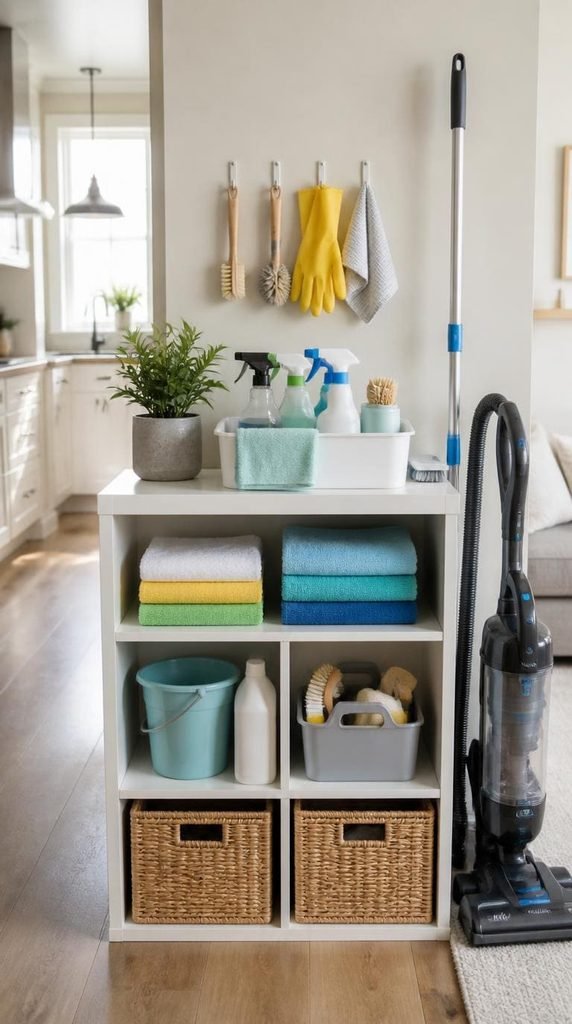
A portable cleaning caddy can save time because you do not need to keep walking back to a cupboard for supplies.
Keep commonly used items together, such as:
- Microfiber cloths
- Sponges
- Scrub brushes
- All-purpose cleaner
- Glass cleaner
- Disinfecting wipes
- Small trash bags
A compact caddy is particularly useful when cleaning several rooms in one session.
3. Let Products Sit Before Scrubbing
Some cleaning products work better when given enough contact time. Instead of immediately scrubbing a dirty surface, apply an appropriate cleaner and allow it to sit according to the product instructions.
This can help loosen:
- Soap residue
- Grease
- Dirt
- Mineral buildup
- Stuck-on food
You may then need considerably less scrubbing.
4. Use Microfiber Cloths for Dusting
Microfiber cloths are useful for picking up dust from many household surfaces. Fold one into sections so you can rotate to a clean portion as you work.
Use them on:
- Shelves
- Tables
- Electronics
- Window sills
- Cabinets
- Picture frames
- Baseboards
For an organized routine that includes regular dusting, see Weekly Cleaning Schedule.

5. Clean Spills Immediately
Small spills are usually easier to remove before they dry and become stuck to a surface.
When something spills, deal with it as soon as practical. Blot liquids rather than aggressively rubbing them, and use a suitable cleaner for the material.
This simple habit can reduce the amount of scrubbing required later.
6. Give Your Kitchen Sink Extra Attention
A clean sink can make the entire kitchen feel fresher.
After washing dishes:
- Remove food debris.
- Rinse the basin.
- Clean the surface with an appropriate product.
- Rinse away residue.
- Dry the sink with a clean cloth.
- Wipe the surrounding counter.
Do not forget the faucet, handles, drain area, and edges where grime can collect.
For a more structured kitchen routine, see Kitchen Cleaning Checklist Printable.
7. Clean Your Sponge and Cloths Regularly
Cleaning tools can collect dirt and bacteria when they stay damp or are used repeatedly without proper care.
Wash reusable cloths regularly and replace worn-out sponges when necessary. Allow items to dry properly between uses rather than leaving them wet in a pile.
A clean tool makes household cleaning more hygienic and effective.
8. Use a Small Brush for Hard-to-Reach Areas
Large cloths cannot always reach narrow spaces. A small cleaning brush or old toothbrush can be useful for tight areas where dirt accumulates.
Try one around:
- Faucet edges
- Grout lines
- Appliance seams
- Window tracks
- Small corners
- Handles
- Around fixtures
Use a brush that is appropriate for the surface so you do not cause scratches or damage.
9. Keep Bathroom Surfaces Dry
Water left behind on bathroom surfaces can contribute to mineral deposits and soap residue.
After showers or baths, use a squeegee on suitable glass surfaces and wipe excess water from frequently used areas.
A few seconds of maintenance can make the next bathroom cleaning session easier.
For a more detailed routine, see Bathroom Cleaning Checklist Template.

10. Change Bedding Regularly
Fresh bedding can make a bedroom feel noticeably cleaner and more comfortable.
When changing sheets, take the opportunity to:
- Dust bedside tables
- Vacuum or sweep underneath the bed
- Wipe nearby surfaces
- Air out the room
- Wash pillowcases and bedding according to their care instructions
For households with children, Bedroom Cleaning Checklist for Kids can also provide ideas for keeping bedrooms more manageable.
11. Vacuum Slowly in High-Traffic Areas
Moving a vacuum too quickly can make it harder to pick up dirt and debris.
Spend a little more time over areas that receive frequent foot traffic, particularly entrances, hallways, and spaces around seating.
Change direction occasionally so the vacuum reaches debris from different angles.
12. Clean Your Vacuum Cleaner
A cleaning tool also needs maintenance.
Depending on your vacuum model, regularly:
- Empty the dust container or bag
- Clean washable filters as directed
- Remove hair from the brush roll
- Check hoses for blockages
- Wipe the exterior
- Replace filters when required
A well-maintained vacuum can work more effectively and makes routine floor care easier.
13. Use a Two-Step Decluttering Method
When a room looks messy, separate the task into two quick steps.
First, collect anything that belongs somewhere else.
Second, return those items to their proper places.
This keeps cleaning and organizing from becoming one overwhelming task.
A basket can also be used temporarily to collect misplaced items before returning them throughout the home.
14. Clean One Room at a Time
Moving randomly between rooms can make cleaning feel longer than it needs to be.
Instead, finish one area before moving to the next when possible.
A simple order is:
- Declutter
- Dust
- Wipe surfaces
- Clean fixtures
- Vacuum or sweep
- Mop where appropriate
- Return items to their places
This creates a clear beginning and end for each room.
15. Do Not Forget High-Touch Surfaces
Some surfaces receive frequent contact but are easy to overlook.
Add these to your routine:
- Door handles
- Light switches
- Cabinet handles
- Faucet handles
- Appliance handles
- Remote controls
- Drawer pulls
Use cleaning products that are suitable for each material and follow their instructions.
16. Clean the Kitchen While You Wait
Use small waiting periods to complete quick tasks.
While water is boiling or food is cooking, you might:
- Wipe a counter
- Load dishes
- Clean a sink
- Put away ingredients
- Wipe appliance handles
- Sweep a small area
These tiny actions can prevent kitchen chores from accumulating.
17. Make Floors the Last Major Step
If you dust, wipe surfaces, and clean furniture first, debris can fall onto the floor.
That is why vacuuming or sweeping near the end of your cleaning routine usually makes more sense.
Finish with mopping when the floor type and cleaning product allow it.
18. Freshen Musty Areas by Finding the Source
A pleasant-smelling home is not simply about adding fragrance. If an area smells musty, look for the source first.
Check places such as:
- Damp towels
- Laundry baskets
- Trash cans
- Under sinks
- Damp rugs
- Poorly ventilated spaces
- Areas where moisture collects
Addressing the underlying problem is more useful than simply covering an unpleasant smell.
19. Wash Reusable Cleaning Tools Properly
Cleaning cloths, mop heads, reusable dusters, and similar tools need regular care.
Follow the manufacturer’s washing instructions and allow washable items to dry completely before storing them.
Keep clean tools separate from used ones so that you are not spreading dirt from one surface to another.
20. Use a Small Basket for Everyday Clutter
A small basket can be an easy way to control clutter in busy rooms.
Place misplaced items inside it during the day, then return everything to its proper location during an evening reset.
This works particularly well in:
- Living rooms
- Bedrooms
- Entryways
- Family rooms
- Home offices
21. Keep Cleaning Supplies Where You Use Them
If appropriate and safe, storing frequently used supplies closer to the rooms where they are needed can make routine chores easier.
For example, bathroom-specific supplies can be stored in a secure bathroom cabinet, while kitchen cleaning items can stay in a suitable kitchen storage area.
Always keep cleaning products safely away from children and pets and follow label instructions.
22. Use Short Cleaning Sessions
You do not always need an entire afternoon to make progress.
Try working in short sessions of 10–15 minutes. Focus on one visible area rather than trying to clean the entire home.
A short session might involve:
- Clearing a countertop
- Dusting one room
- Cleaning one bathroom
- Vacuuming high-traffic floors
- Organizing one drawer
Small sessions become particularly useful on busy days.
23. Clean Forgotten Areas on a Rotating Basis
Not every part of your home needs attention every day.
Create a rotating list for areas such as:
- Baseboards
- Ceiling fans
- Door frames
- Window tracks
- Under furniture
- Cabinet tops
- Light fixtures
- Behind appliances
Assign one or two of these jobs each week rather than waiting until everything needs deep cleaning.
For more extensive projects, see Deep Cleaning Checklist By Room.
24. Start With the Messiest Area
If you have limited time, prioritize the room or area that needs the most attention.
Cleaning the most noticeable problem first can make the entire home feel more organized quickly.
For many households, this may be:
- A cluttered kitchen
- A messy living room
- A busy bathroom
- An overflowing entryway
- High-traffic floors
25. Finish With a Quick Reset
Before ending your cleaning session, take a few minutes to look around the home.
Put away remaining items, straighten furniture, empty small trash bins, and return cleaning supplies to storage.
This final reset helps the home stay organized until the next cleaning session.
A Simple Cleaning Hacks Routine
You do not need to use every trick at once. Combine a few of the most useful ideas into a routine that fits your household.
| Task | Helpful Hack |
| Dusting | Work from top to bottom |
| Kitchen | Clean spills and surfaces promptly |
| Bathroom | Keep frequently used surfaces dry |
| Floors | Clean them after dusting and wiping |
| Clutter | Use a temporary collection basket |
| Hard-to-reach areas | Use a small brush |
| Cleaning supplies | Keep a portable caddy ready |
| Deep cleaning | Rotate overlooked areas |
| Busy days | Use 10–15 minute sessions |
| End of day | Complete a quick home reset |
How to Make Cleaning Easier Every Day
The most effective cleaning hacks tips and tricks are often the ones that prevent extra work.
Rather than waiting until your home needs a major cleaning session, deal with small messes when they appear, return items to their proper places, maintain cleaning equipment, and keep frequently used supplies accessible.
A simple schedule can help turn these habits into a routine. For a broader system that combines daily, weekly, monthly, and seasonal tasks, see Cleaning Schedule for a Cleaner and More Organized Home.
You can also use Home Cleaning Schedule for a Fresh and Organized Home to divide household chores into manageable time periods.
With a few practical techniques and consistent habits, cleaning can become less time-consuming and much easier to keep under control.